Epoxy Coatings
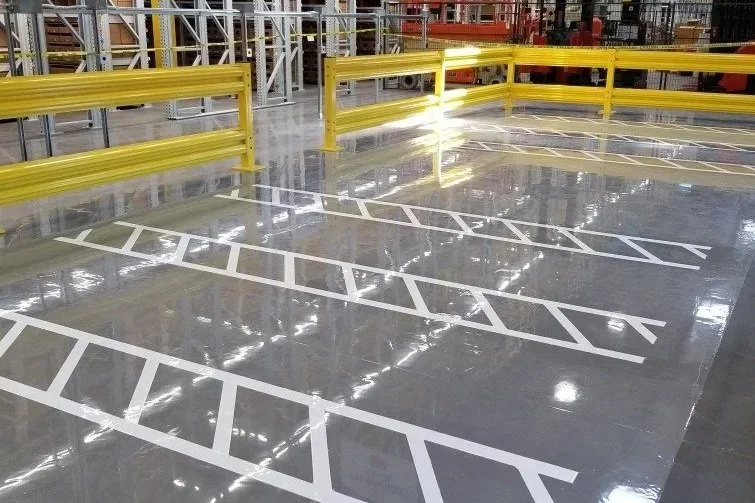
Core Coating installs industrial grade epoxy flooring systems designed to perform in demanding industrial and commercial environments. Our systems are engineered for durability, safety, and long-term performance while maintaining a clean, seamless appearance that enhances operational efficiency.
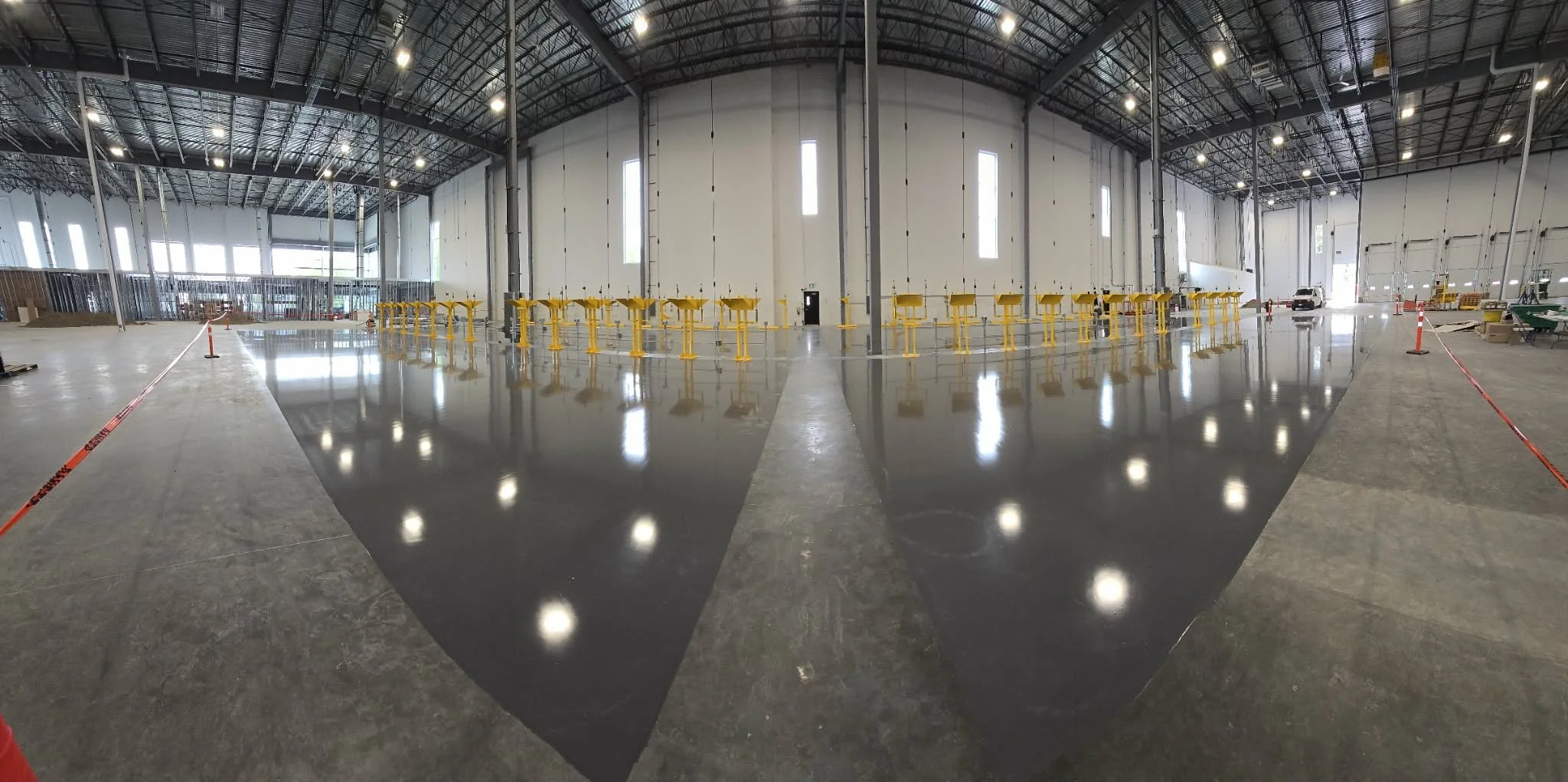
From large distribution warehouses to manufacturing plants, we deliver flooring solutions built to withstand heavy traffic, chemical exposure, and continuous daily operations.
Every project begins with proper mechanical surface preparation to ensure maximum adhesion, long service life, and a defect-free installation.
Why Epoxy Flooring?
Concrete is naturally porous. Oils, contaminants, and moisture can penetrate the surface, leading to dusting, staining, and long-term deterioration.
Epoxy coatings create a seamless protective barrier that strengthens the floor while improving appearance and functionality.
Benefits include:
Increased abrasion and impact resistance
Chemical and oil protection
Dust-free surfaces
Improved lighting reflectivity
Easy cleaning and sanitation
Reduced maintenance costs
Applications
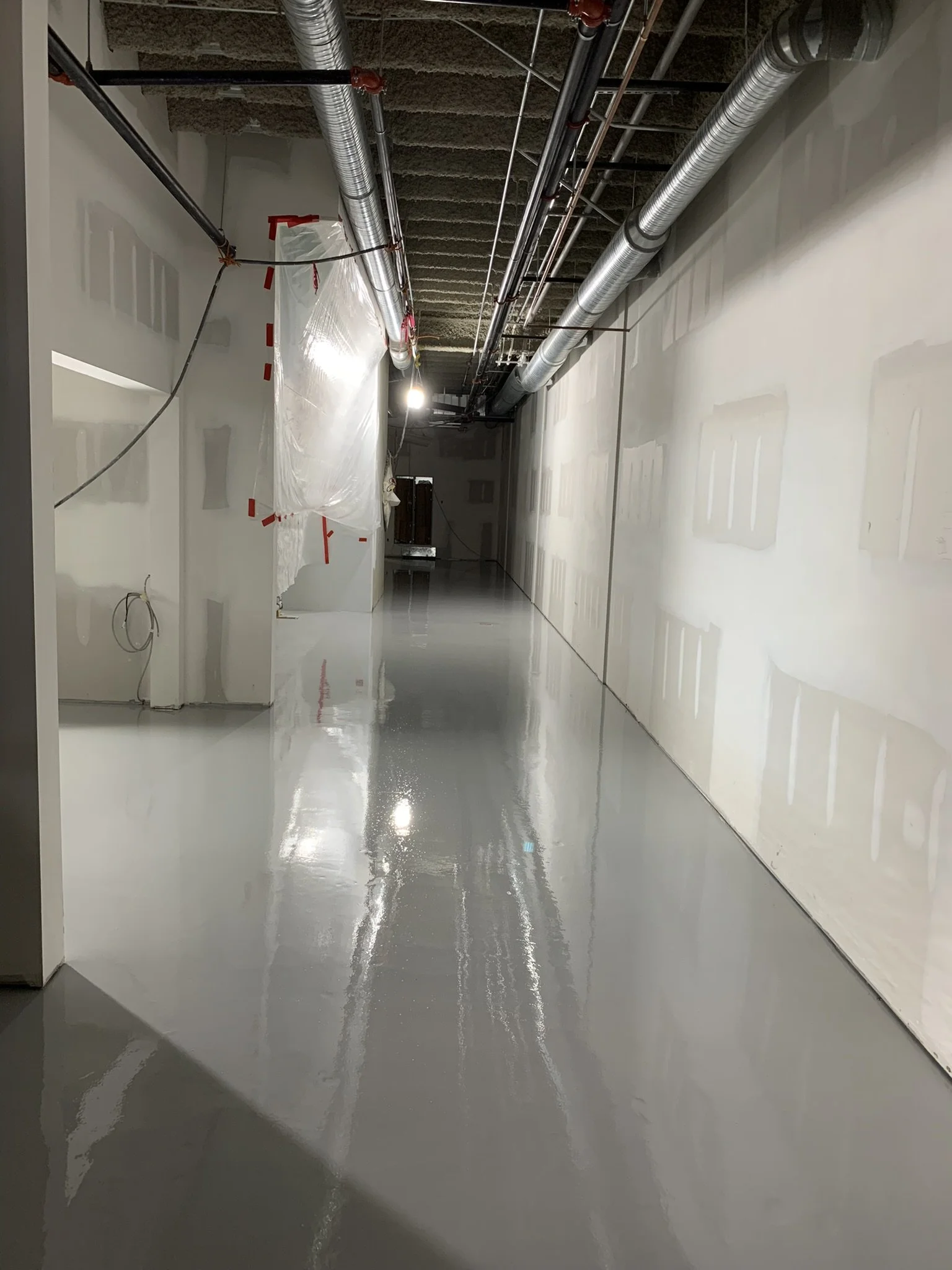
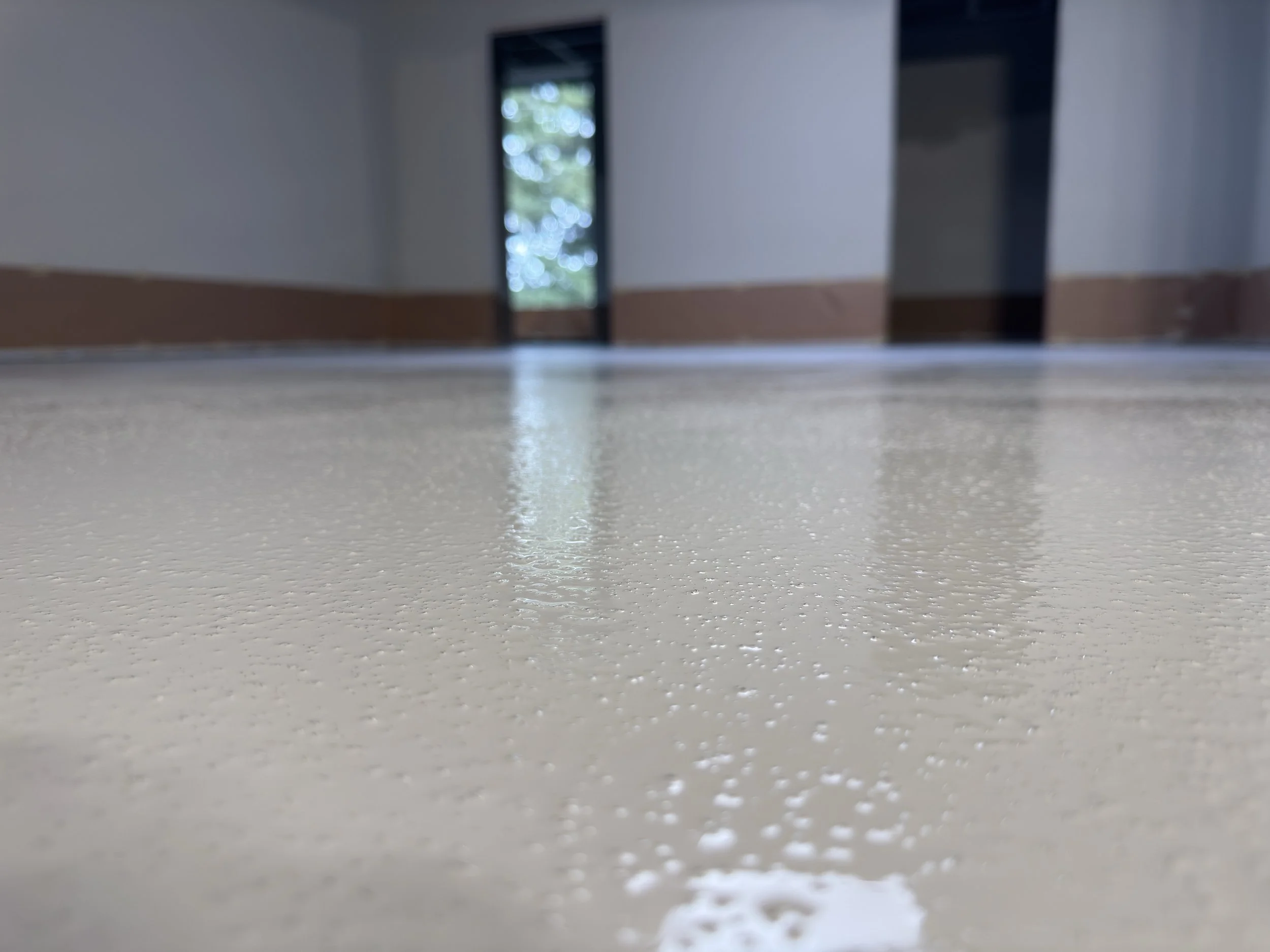
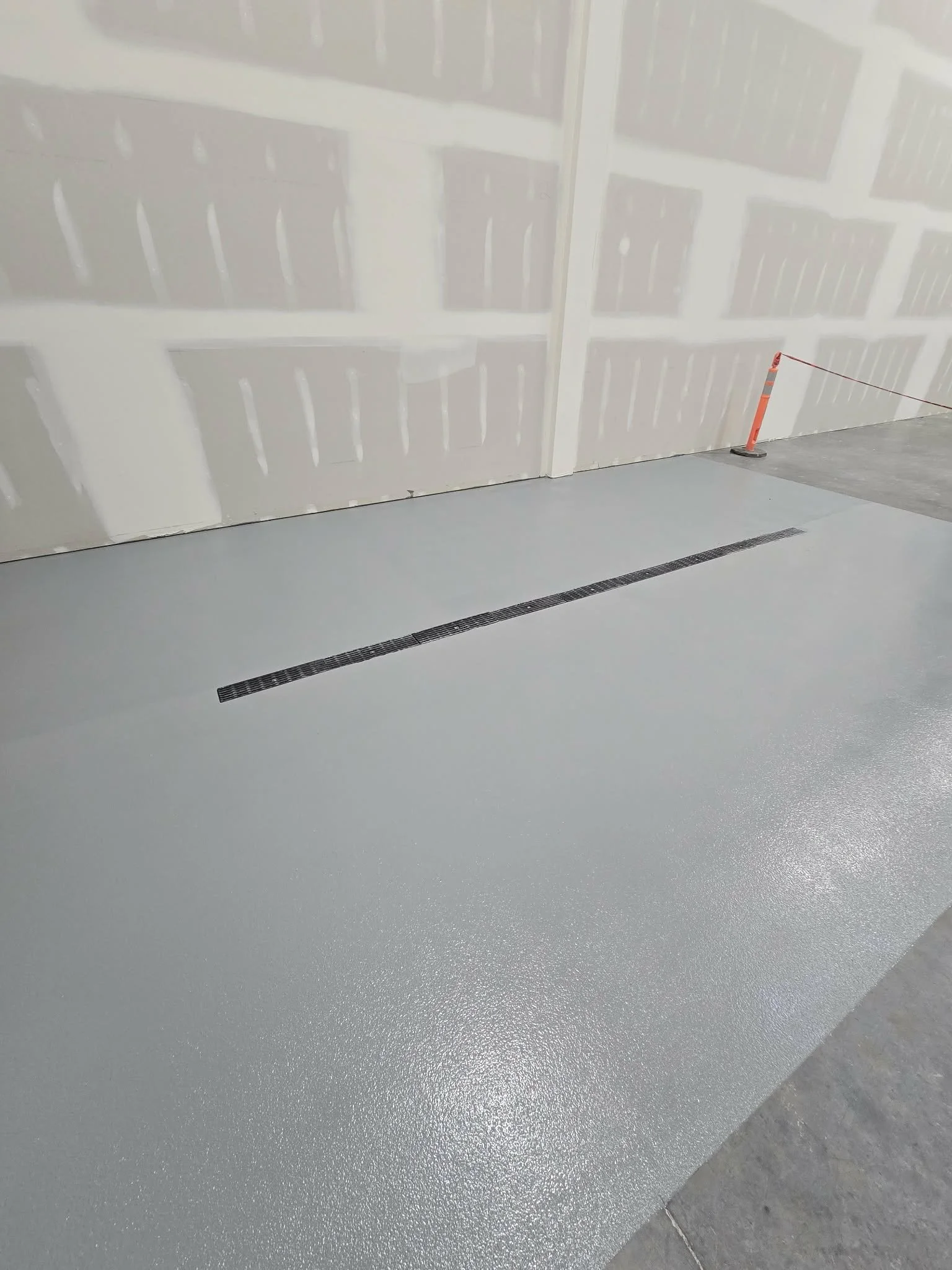
Epoxy flooring is more than a cosmetic finish. Properly installed systems strengthen the concrete surface, reduce maintenance requirements, and improve overall facility safety. By sealing the concrete against moisture, oils, and contaminants, epoxy coatings help extend the life of the slab while creating a cleaner and easier-to-maintain workspace.
These systems are commonly used in warehouses, automotive facilities, mechanical rooms, battery charging areas, and institutional buildings where durability and sanitation are priorities. Increased light reflectivity can also improve interior brightness, helping reduce lighting costs while enhancing visibility throughout the facility.
Tailored Systems for Every Project
No two slabs perform the same. Concrete age, moisture conditions, traffic loads, and environmental exposure all influence how a coating system should be designed. Core Coating evaluates each project individually to determine the appropriate epoxy build thickness, finish, and protection level.
Industrial warehouse systems are engineered to withstand forklift traffic and continuous loading operations, while chemical-resistant coatings are designed for environments exposed to oils, fuels, or aggressive cleaning agents. Decorative epoxy finishes are often selected for commercial or customer-facing environments where appearance matters alongside performance, offering clean, seamless finishes that remain easy to maintain.
Safety can also be incorporated directly into the flooring system through textured anti-slip finishes designed for ramps, loading docks, and wet operational areas.
Surface Preparation Is Critical
Long-term performance begins before any coating is applied. Epoxy flooring failures are most often caused by improper surface preparation rather than material quality.
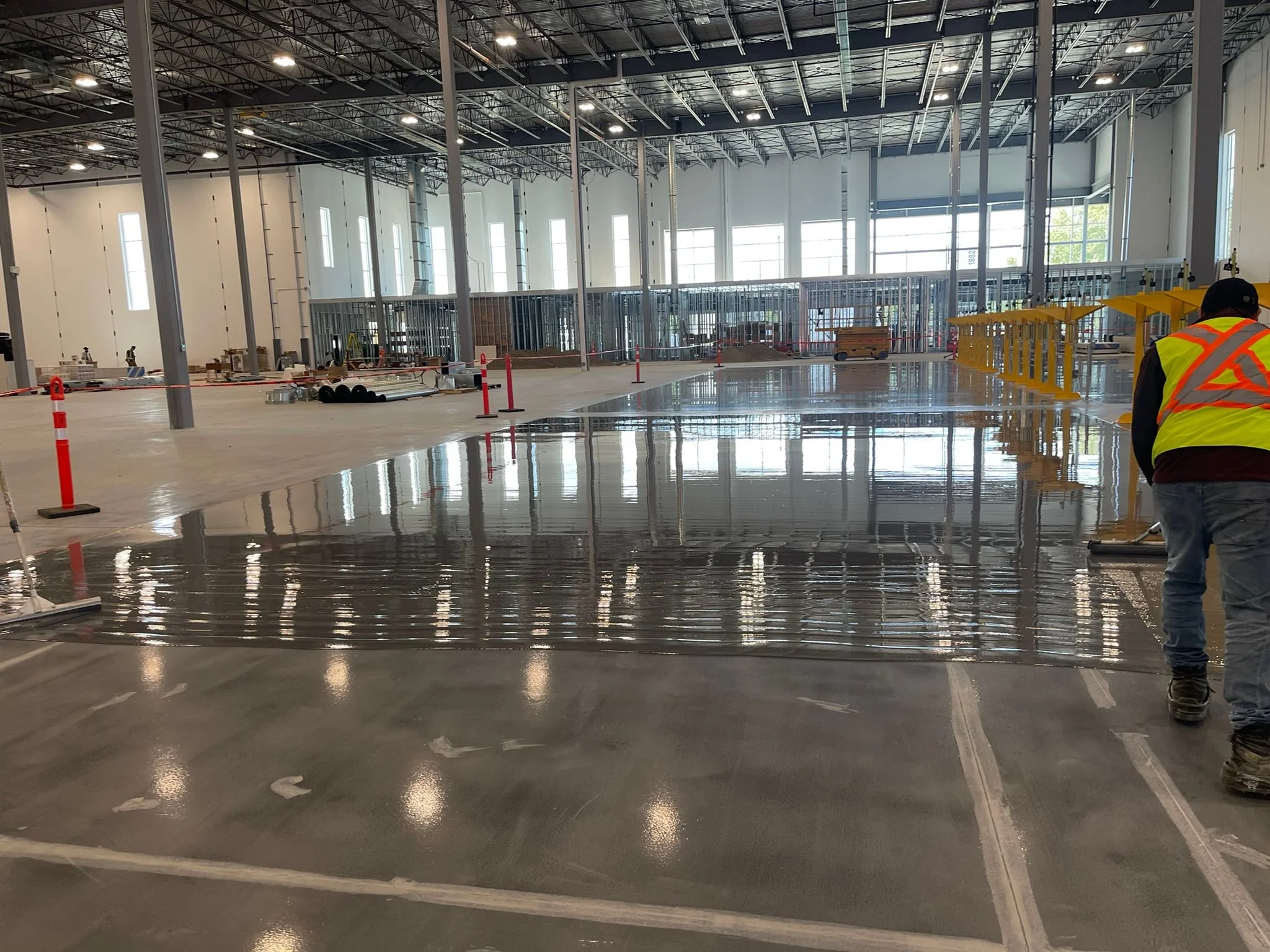
Every Core Coating project begins with mechanical surface preparation using grinding or shot blasting methods to achieve the required concrete surface profile. This process removes contaminants, weak surface laitance, and existing coatings while creating the mechanical bond necessary for epoxy systems to adhere properly.
Cracks, joints, and surface defects are repaired prior to installation to ensure a uniform substrate. Where required, moisture conditions are evaluated to confirm compatibility with the selected coating system.
Installation Process
Our installation process is structured to ensure consistency and performance on every project. Following preparation and repairs, primer coats are applied to penetrate the concrete surface and promote adhesion. High-build epoxy layers are then installed to achieve the required durability and protection level, followed by protective topcoats that enhance chemical resistance, appearance, or slip resistance depending on project needs.
We work closely with general contractors, developers, and facility managers to coordinate installations with construction schedules or operational downtime requirements. Phased work areas and rapid turnaround solutions are available when facilities must remain partially operational during installation.